Home > Products > Fire-resistant cable >
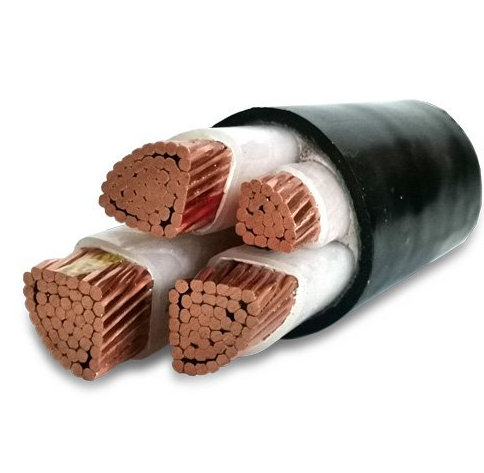
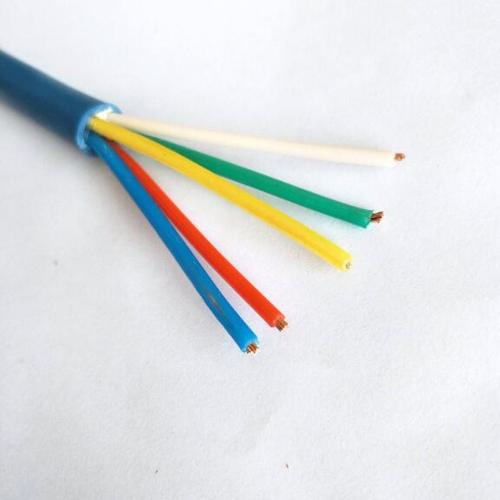
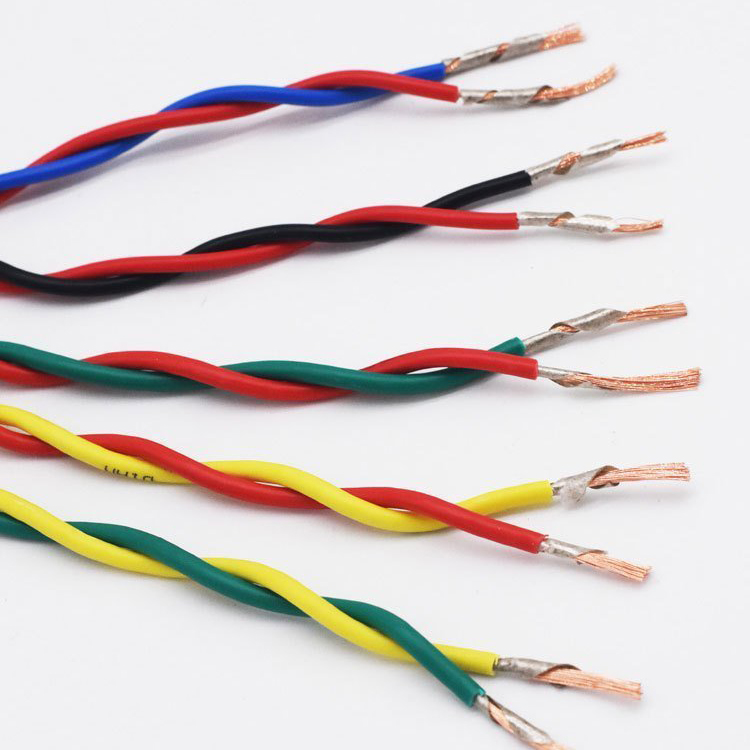
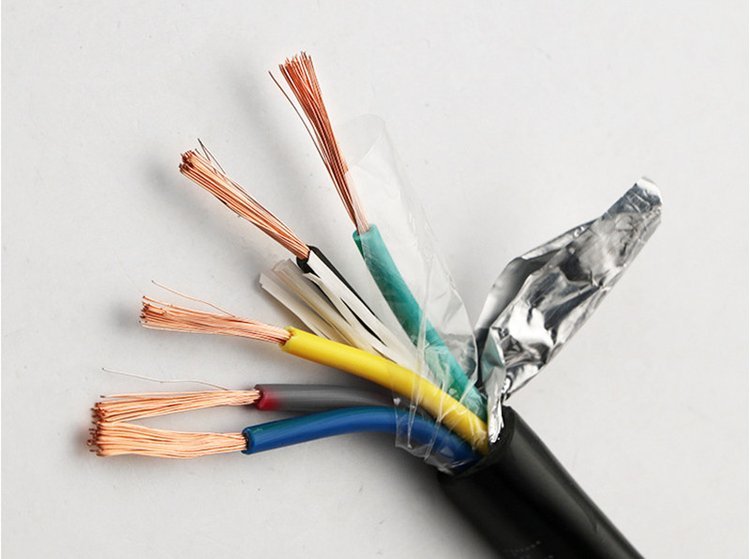
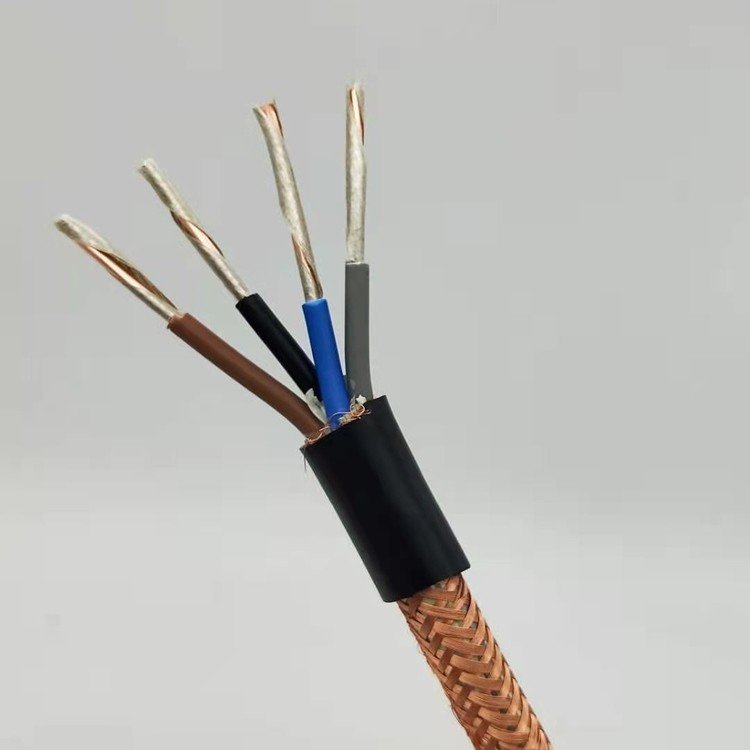
WDZN-YJY low-smoke, zero-halogen, fire-resistant cable
Product Details
Usage description
WDZN-YJY low-smoke, zero-halogen, fire-resistant cables not only exhibit excellent electrical, mechanical, heat aging resistance, environmental stress resistance, and chemical corrosion resistance properties, but also boast a simple structure, ease of use, no limitation on laying drop, high long-term operating temperature (90 degrees), and large transmission capacity. The cross-linked polyethylene insulated power cable products include a full range of flame-retardant and non-flame-retardant cross-linked polyethylene insulated power cables.
execution standard
The performance of WDZN-YJY low-smoke, zero-halogen, fire-resistant cable complies with the national standard GB/T12706.1-2008, which is equivalent to IEC60502-2004, and its flame retardancy conforms to the national standard GB/T19666-2005.
Scope of application
★ System: WDZN-YJY low-smoke, zero-halogen, fire-resistant cable is suitable for transmitting electrical energy in power lines with an AC frequency of 50Hz and a rated voltage of 0.6/1KV (the system's maximum voltage is 1.2KV).
★ Application: For laying indoors, in cable trenches, in pipelines, and for direct burial in industries such as metallurgy, electricity, and construction, where it cannot bear external mechanical forces and is used for fixed purposes.
Use features
★ Rated voltage: The rated power frequency AC voltage is 0.6/1KV, and the maximum voltage used in the AC system should not exceed 1.2KV.
★ Operating temperature: The maximum allowable long-term operating temperature of the cable conductor is 90℃. During a short circuit, the maximum temperature of the cable conductor reaches 250℃, but the duration does not exceed 5 seconds.
★ Ambient temperature: The minimum ambient temperature for cable operation is -10℃.
★ Laying temperature: During installation and laying, the temperature should not be lower than 0℃.
★ Bending radius: It is recommended to use a minimum bending radius. For single-core cables, the bending radius should not exceed 20D, and for multi-core cables, it should not exceed 15D.
Prev:NH-VV flame-retardant cable
Next:Nothing