Home > Products > Computer cables >
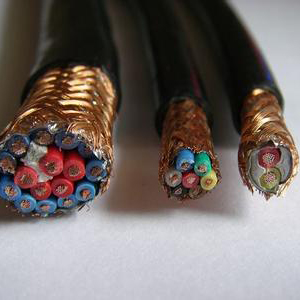
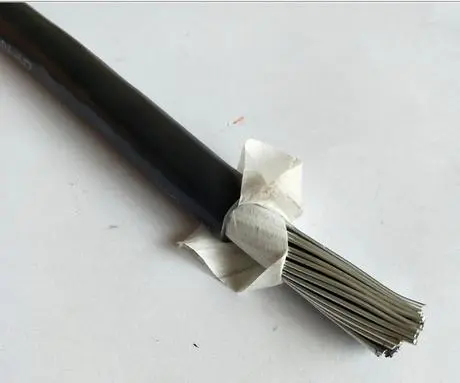
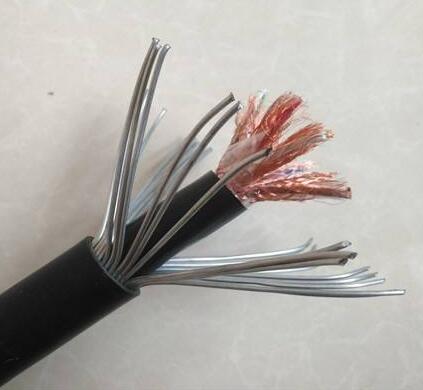
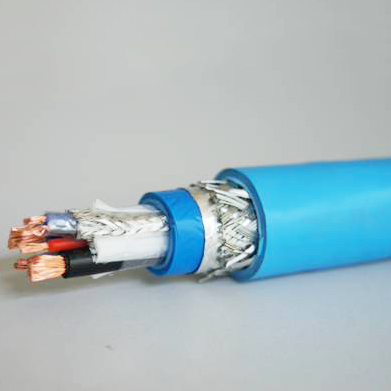
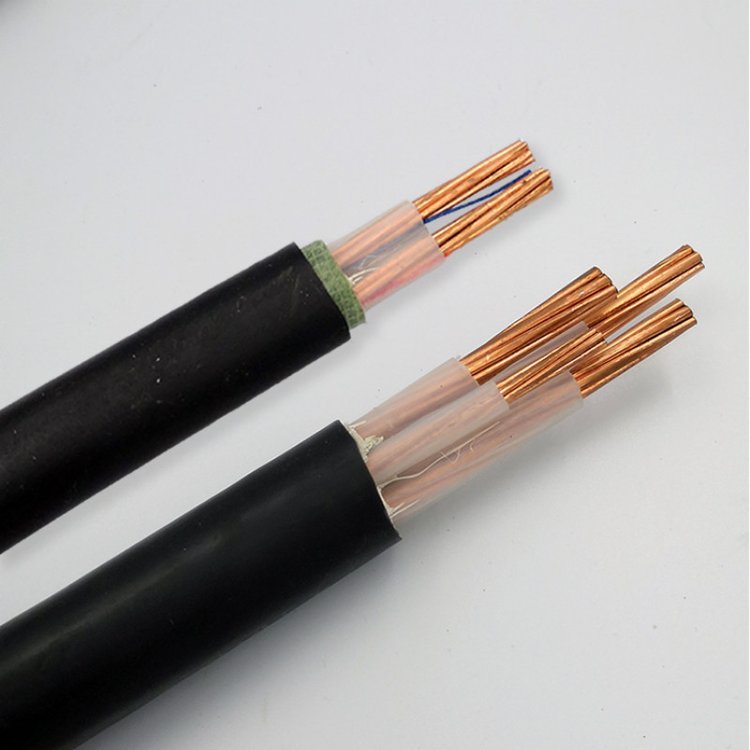
DJFPFP High-temperature resistant and anti-corrosion computer cable
Product Details
1: Product Features and Applications of DJFPFP High-Temperature and Anti-corrosion Computer Cables
DJFPFP High-temperature resistant and anti-corrosion computer cable with low capacitance and low inductance, featuring excellent shielding performance and anti-interference capability. Special high-temperature computer cables are made of materials such as fluoroplastics and fluororubber, and can be used for a long time in an environment ranging from -40 to 260 degrees Celsius. The product has superior characteristics such as non-flammability and resistance to acids, alkalis, oils, and water. The cable structure is specially designed for intrinsically safe explosion-proof circuits. It is not only used for cable tray laying, but also for cable trench laying and direct burial laying. It is suitable for use as a transmission line in distributed systems and automatic detection systems in environments with explosion protection requirements and other harsh conditions, and its explosion-proof performance is significantly higher than that of ordinary DCS cables and computer control cables.
2: Execution standards for DJFPFP high-temperature resistant and anti-corrosion computer cables
Enterprise standard: Refer to and adopt the British BS5308 standard. The fire resistance complies with the GB12666-90 standard.
3: Characteristics of DJFPFP High-Temperature Resistant and Anti-corrosion Computer Cable
1. Rated voltage for connection: U0/U 300/500KV
2. High operating temperature: The insulation of polyethylene does not exceed 70℃
Cross-linked polyethylene insulation at 90℃
Low smoke and halogen-free flame-retardant polyolefin at 70℃
Low smoke and halogen-free flame-retardant cross-linked polyolefin, available in two grades: 90℃ and 125℃
The joint of polyperfluorobutylene (F46) should not exceed 200℃.
The soluble polytetrafluoroethylene (PFA) does not exceed 260℃.
3. Low environmental temperature: Polyvinyl chloride sheath: Fixed installation -40℃, Non-fixed installation -15℃
Fluoroplastics and silicone rubber sheaths: Fixed installation - -60℃, Non-fixed installation - -25℃.
4. The installation and laying temperature of the cables should not be lower than 0℃ (for high-temperature types, it should not be lower than -25℃).
5. Cable bending radius allowance: For non-armored cables, it is 6 times the outer diameter of the cable.
The copper-belt shielded or steel-belt armored cable is approximately 12 times the outer diameter of the cable.