Home > Products > Compensation wire >
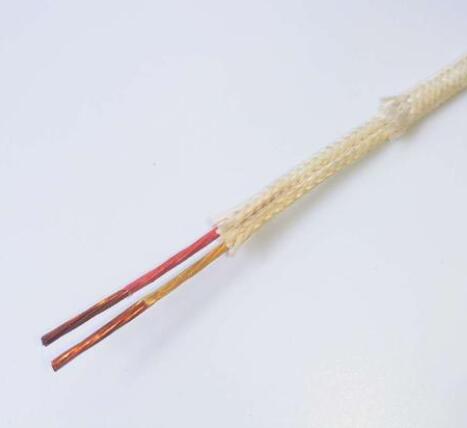
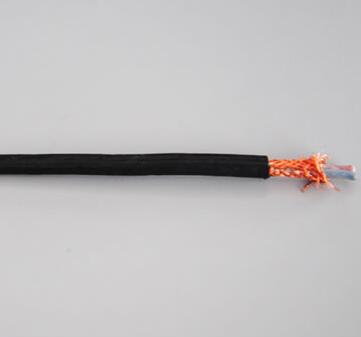
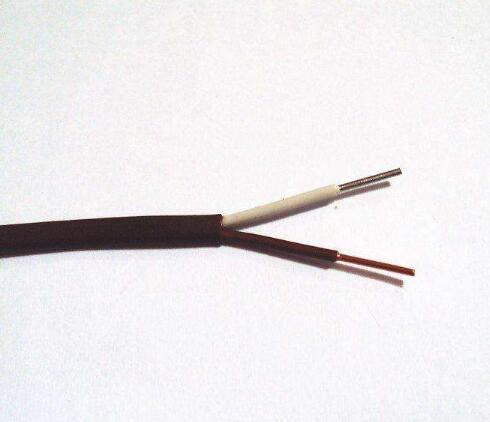
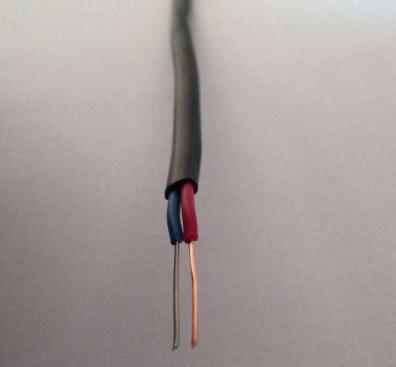
Type B compensating lead wire
Product Details
The type B compensation lead must be correctly selected based on the type of thermocouple used and the application scenario. For example, a type K thermocouple should be paired with a type K compensation lead, and the operating temperature range should be chosen according to the application scenario. Generally, the operating temperature range for type Kx is -20 to 100℃, and for the wide-range version, it is -25 to 200℃. The error for the ordinary grade is ±2.5℃, and for the precision grade, it is ±1.5℃.
Keep the two contact points of the thermocouple wiring terminal as close as possible, and try to maintain the temperature of the two contact points*. The connection point with the instrument wiring terminal should also be kept as close as possible to the temperature*. In areas where the instrument cabinet has fans, the contact points should be protected to avoid direct fan airflow. To improve the anti-interference performance of the thermocouple connecting wire, shielded compensating wires can be used. This is effective in situations where there are many on-site interference sources. However, it is essential to strictly ground the shielding layer, otherwise the shielding layer will not only fail to provide shielding but will actually enhance interference.
Due to the low signal of the thermocouple, which is in the microvolt range, if the signal is transmitted over a long distance, its attenuation may coincide with interference from strong electrical currents in the environment, potentially distorting the thermocouple signal and leading to inaccurate temperature measurement and control. In severe cases, this can result in temperature fluctuations during control.
Based on our experience, it is generally advisable to keep the length of the compensating wire for a thermocouple within 15 meters. If the length exceeds 15 meters, it is recommended to use a temperature transmitter to transmit signals. A temperature transmitter converts the potential value corresponding to temperature into a direct current signal for transmission, which is highly resistant to interference.